
Slip and fall accidents are among the most common injuries people experience at home, and they often happen in places we consider safe. Wet floors, loose rugs, uneven surfaces, and cluttered pathways can all contribute to unexpected falls. For many families, these hazards are hidden in plain sight, quietly waiting to cause accidents that result in injuries ranging from minor bruises to serious fractures. Awareness is the first step in reducing these risks and protecting household members.
Technology has begun to offer practical solutions for these hazards. From floor sensors to smart lighting that illuminates hallways automatically, innovations are helping families anticipate and prevent accidents. Smart cameras and monitoring systems can alert homeowners when someone trips or moves into risky areas, allowing for faster assistance. By combining awareness with technological tools, households can significantly reduce the likelihood of slips and falls and create a safer living environment.
Even with technology in place, human vigilance remains crucial. Families need to actively assess their homes for evolving risks and ensure devices are functioning correctly. Regularly moving furniture, cleaning high-traffic areas, and securing loose items complement technological solutions. Integrating routine checks with smart home devices creates a proactive approach to safety, ensuring that technology supports rather than replaces thoughtful oversight.
How Car Accidents Affect Daily Life
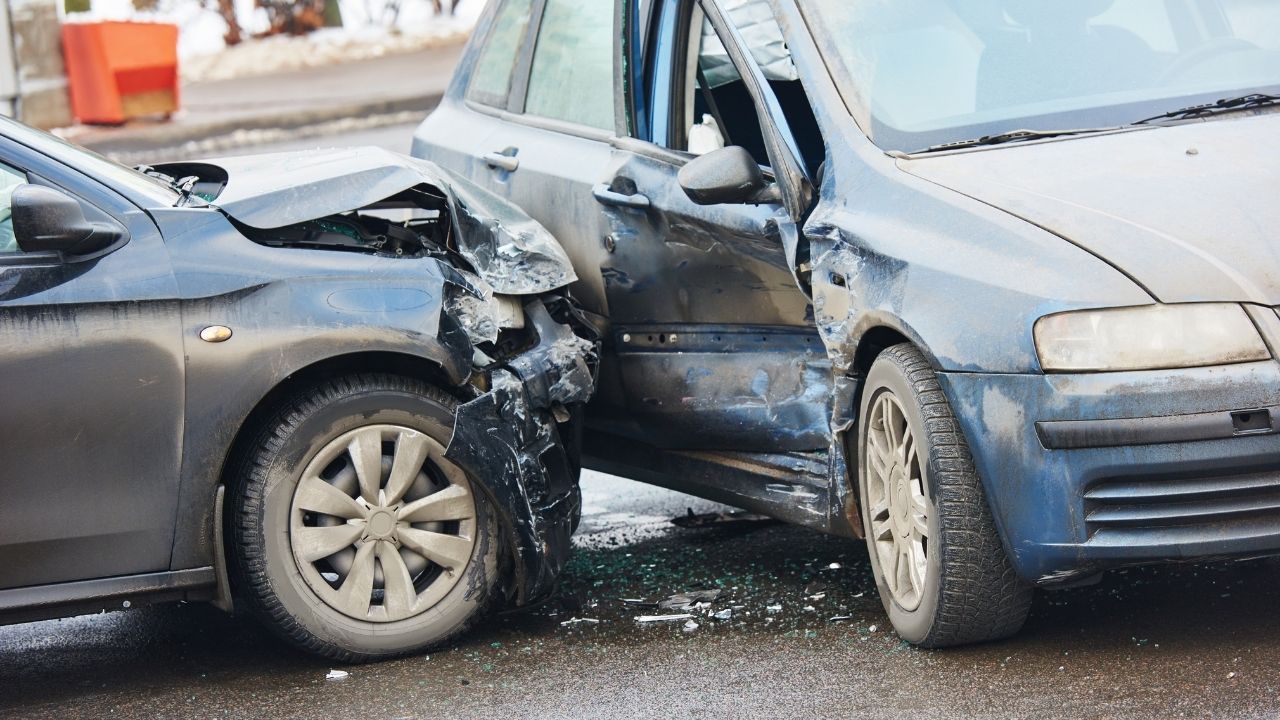
According to www.accidentlawyerelite.com, being involved in a car accident extends beyond the immediate physical and financial damage. Injuries, even minor ones, can disrupt work, education, and household routines. Emotional stress is also common as people cope with anxiety, fear, or frustration after a crash. Families and friends often feel the ripple effects as they assist injured individuals or handle logistical challenges such as vehicle repairs and insurance claims.
Car accidents can also reveal weaknesses in community infrastructure and safety measures. Areas with frequent collisions may lack proper signage, speed control, or lighting, contributing to repeated incidents. Awareness of these patterns encourages both drivers and authorities to consider safety improvements. Technology such as collision detection systems, dash cameras, and emergency alert apps is becoming increasingly important in managing accidents and reducing their broader impact.
The social consequences of accidents often extend further than anticipated. Friends, neighbors, and colleagues can be indirectly affected by delays, disruptions, or stress associated with a crash. Personal mobility may be limited, forcing households to adjust schedules or rely on alternative transportation. Recognizing these interconnected effects emphasizes the value of accident prevention and the importance of both personal responsibility and systemic support in maintaining safer communities.
The Role of Vehicle Technology
Modern vehicles come equipped with technology designed to prevent accidents and protect occupants. Features such as automatic braking, lane departure warnings, and blind-spot monitoring assist drivers in avoiding collisions. While these systems are helpful, they do not replace attentive driving. They are most effective when drivers remain engaged and ready to respond to unexpected situations.
Vehicle technology also provides tools for post-accident management. Event data recorders can supply precise information about speed, braking, and impact points, which is valuable for insurance claims and legal matters. Advanced navigation systems help drivers anticipate hazards by suggesting safer routes. By combining traditional driving skills with technology, drivers can reduce their risk of accidents and improve response in critical moments.
The broader implications of vehicle technology include shaping traffic behavior and driver awareness. Knowing that vehicles are equipped with advanced safety systems encourages more cautious driving, as drivers feel accountable to both their devices and surrounding road users. This integration of human and technological vigilance fosters a more cooperative and predictable driving environment, contributing to reduced collisions and improved road safety overall.
Environmental and Road Factors
The environment in which we drive influences accident frequency. Poor lighting, sharp curves, road construction, and slippery surfaces all contribute to higher risk. Drivers may feel confident in familiar areas but fail to anticipate sudden changes such as potholes or detours. Public awareness of road conditions and cautious driving practices are essential for reducing collisions.
City planning and infrastructure maintenance also play a crucial role. Well-designed roads with clear signage, functional traffic signals, and safe pedestrian crossings can prevent many accidents. Communities benefit when authorities implement effective road safety measures, while drivers remain alert and follow traffic regulations. Combining infrastructure improvements with responsible driving behavior creates safer conditions for everyone on the road.
Environmental factors also include traffic density and human behavior patterns. Rush hour congestion, unpredictable pedestrian movement, and distracted cyclists can increase accident risk. Drivers who adjust their habits according to these variables and anticipate potential hazards contribute to smoother traffic flow and fewer collisions. Awareness of environmental dynamics allows drivers to respond intelligently to complex situations rather than reacting impulsively, reducing accident likelihood.
Human Factors in Accidents
Even careful drivers are not immune to human error. Fatigue, stress, and distraction are leading contributors to collisions. Texting, talking on the phone, or multitasking while driving significantly increases the likelihood of accidents. Understanding these human limitations emphasizes the importance of rest, focus, and awareness behind the wheel.
Driver education and regular practice of defensive driving techniques also help mitigate risk. Anticipating potential hazards, maintaining safe following distances, and adapting speed to conditions are behaviors that reduce accident chances. When drivers acknowledge their own limits and adopt supportive habits, they contribute to safer roads and more predictable traffic patterns.
Human factors are further influenced by emotional and psychological states. Road rage, impatience, and overconfidence can exacerbate risk even for skilled drivers. Developing emotional regulation while driving, practicing patience, and maintaining focus in stressful situations reinforce safe driving habits. Integrating psychological awareness with practical skills and technology creates a holistic approach to accident prevention.
Building Safer Driving Habits
Promoting safer driving habits involves a combination of personal vigilance and leveraging available technology. Features such as automatic emergency braking, adaptive cruise control, and smart navigation can assist drivers in critical moments. However, consistent attentiveness and defensive strategies remain essential. Developing routines like checking blind spots, limiting distractions, and maintaining proper vehicle condition enhances safety.
Drivers who integrate technology with mindful driving create a comprehensive approach to accident prevention. They also contribute to community safety by modeling responsible behavior for other road users. Combining proactive technology use with human awareness reduces risk for everyone and fosters a culture of safer driving. By committing to both personal responsibility and the advantages offered by modern vehicles, drivers can navigate daily challenges with greater confidence and security.
Long-term safety habits extend beyond individual behavior and technology use. Community programs, driver awareness campaigns, and shared experiences encourage collective responsibility for road safety. Drivers who remain engaged with continuous learning, vehicle upkeep, and peer accountability strengthen both personal and public protection. Over time, these combined efforts create a culture of vigilance and care, resulting in safer roads and more predictable traffic behavior for all.